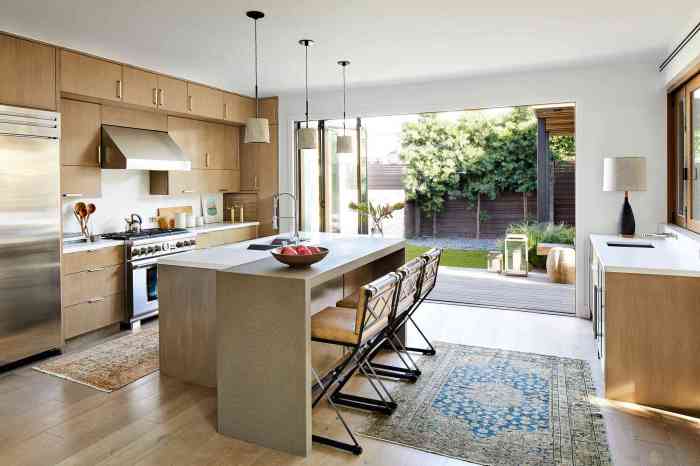
Embark on a journey to transform your kitchen into a functional oasis with our guide on How to Create a Functional Kitchen Space. Discover the secrets to maximizing efficiency and organization in your cooking haven.
Functional Kitchen Space
A functional kitchen space is designed and organized in a way that maximizes efficiency, convenience, and ease of use. It is a space where cooking, storing, and preparing meals can be done smoothly and effectively.
Importance of a Well-Designed Kitchen
Having a well-designed kitchen is crucial for several reasons. It not only enhances the overall cooking experience but also improves safety, cleanliness, and organization in the kitchen. A well-designed kitchen can save time and effort while cooking, making meal preparation a more enjoyable task.
Key Elements for Creating a Functional Kitchen Space
- Efficient Layout: A well-thought-out layout that ensures easy movement between key areas such as the stove, sink, and refrigerator.
- Adequate Storage: Sufficient storage solutions to keep kitchen tools, utensils, and ingredients organized and easily accessible.
- Quality Lighting: Proper lighting installations to brighten up the space and aid in cooking tasks.
- Durable Countertops: Sturdy countertops that can withstand the wear and tear of daily cooking activities.
- Easy-to-Clean Surfaces: Materials that are easy to clean and maintain for a hygienic environment.
- Smart Appliances: Modern appliances that help streamline cooking processes and save time.
Design and Layout

When it comes to creating a functional kitchen space, the design and layout play a crucial role in maximizing efficiency and convenience. By carefully planning the layout and optimizing storage space, you can create a kitchen that is not only aesthetically pleasing but also highly functional.
Maximizing Kitchen Layout
There are several kitchen layouts to consider when designing your space. Each layout has its own benefits and can be tailored to suit your specific needs:
- Galley Kitchen: Ideal for small spaces, this layout features two parallel walls of cabinets and countertops, maximizing storage and workspace.
- L-Shaped Kitchen: This layout offers ample counter space and is great for open-plan living areas, providing an efficient work triangle between the sink, stove, and refrigerator.
- U-Shaped Kitchen: Perfect for larger kitchens, this layout surrounds you with countertops and appliances, offering plenty of storage and workspace.
- Island Kitchen: Adding an island to your kitchen layout can provide extra storage, seating, and workspace, enhancing both functionality and style.
Optimizing Storage Space
Efficient storage is essential in a functional kitchen. Here are some tips to optimize storage space:
- Utilize Vertical Space: Install cabinets that reach the ceiling to maximize storage capacity.
- Drawer Organizers: Use dividers and inserts in drawers to keep utensils and small items organized and easily accessible.
- Pull-Out Pantry: Consider installing a pull-out pantry to make use of narrow spaces and keep ingredients within reach.
- Open Shelving: Incorporating open shelves can provide additional storage while displaying decorative items or frequently used kitchenware.
Promoting Efficiency and Ease of Movement
Designing a kitchen layout that promotes efficiency and ease of movement is key to creating a functional space. Consider the following factors:
- Work Triangle: Arrange the sink, stove, and refrigerator in a triangular layout to minimize movement and optimize workflow.
- Clear Pathways: Ensure there are clear pathways between work areas to facilitate smooth transitions while cooking or preparing meals.
- Zones: Create designated zones for different tasks, such as cooking, prepping, and cleaning, to streamline the cooking process.
Essential Kitchen Features
When creating a functional kitchen space, there are several essential features that you should consider incorporating to make your kitchen efficient and practical.
Proper Lighting
Good lighting is crucial in a kitchen to ensure you can see what you are doing while preparing meals. Natural light is ideal, but make sure to also have adequate artificial lighting, including task lighting for specific work areas like the countertop and stove. Consider installing under-cabinet lighting to illuminate your workspace effectively.
Multipurpose Elements
Incorporating multipurpose elements in your kitchen design is a great way to save space and maximize functionality. For example, a kitchen island with built-in storage or seating can serve multiple purposes, such as providing extra prep space, storage for cookware, and a casual dining area. Look for furniture and appliances that can perform multiple functions to make the most of your kitchen space.
Organizational Solutions
Creating an organized kitchen is essential for a functional space. Here are some tips to help you declutter and optimize your kitchen layout.
Decluttering Tips
- Start by going through all your kitchen items and getting rid of anything you no longer use or need.
- Consider donating or selling items that are still in good condition but don’t serve a purpose in your kitchen.
- Utilize storage containers or baskets to group similar items together and keep them organized.
Benefits of Storage Solutions
- Pull-out shelves and drawer organizers maximize space and make it easier to access items at the back of cabinets.
- Utilizing vertical space with shelves or racks can help store pots, pans, and other bulky items efficiently.
- Drawer dividers or utensil trays keep small items organized and prevent clutter in drawers.
Creating Designated Zones
- Designate specific areas in your kitchen for different tasks, such as meal prep, cooking, and baking.
- Keep frequently used items within reach of their corresponding zones to streamline the workflow in the kitchen.
- Use labels or color-coded containers to identify zones and maintain organization over time.
Utilizing Vertical Space
When designing a functional kitchen space, it’s essential to make the most out of every available area, including vertical space. By utilizing the walls for storage, you can free up valuable counter and cabinet space, creating a more organized and efficient kitchen.
Wall-Mounted Storage Solutions
Wall-mounted storage solutions are a great way to maximize vertical space in the kitchen. Installing shelves, racks, or pegboards on the walls can provide additional storage for items such as pots, pans, and utensils. This not only frees up space in cabinets but also makes these items more accessible while cooking.
- Install floating shelves above countertops to store items like spices, cookbooks, or decorative pieces.
- Utilize a pegboard to hang pots, pans, and cooking utensils, keeping them within easy reach while cooking.
- Mount a magnetic knife strip on the wall to safely store knives and free up counter space.
Incorporating Vertical Storage for Pots, Pans, and Utensils
Vertical storage for pots, pans, and utensils can help declutter cabinets and drawers, making it easier to find and access these items when needed. Here are some creative ways to incorporate vertical storage in your kitchen:
- Hang a pot rack from the ceiling or wall to display and store pots and pans, adding a decorative touch to the kitchen.
- Use a wall-mounted rail system with hooks to hang cooking utensils, keeping them organized and easily accessible.
- Install a pull-out pantry system or vertical dividers in cabinets to store baking sheets, cutting boards, and trays vertically, maximizing space.
Functional Spaces
Creating functional spaces within a home is essential for maximizing the use of every area and ensuring a seamless living experience. By designing versatile spaces that serve multiple purposes, homeowners can enhance the overall functionality and efficiency of their living environment.
Multi-Functional Rooms
One way to create versatile spaces is by incorporating multi-functional rooms that can adapt to different needs. For example, a guest bedroom with a built-in desk can also serve as a home office or study area when not in use by visitors.
Open Concept Living
Open concept living areas that combine the kitchen, dining, and living spaces into one cohesive area can create a seamless flow and provide flexibility for various activities. This design allows for easy entertaining, family gatherings, and everyday living without feeling confined to separate rooms.
Outdoor Living Spaces
Utilizing outdoor areas such as patios, decks, or balconies as functional living spaces can extend the usable square footage of a home. By incorporating seating areas, dining spaces, or even outdoor kitchens, homeowners can enjoy the benefits of indoor-outdoor living and maximize their overall living experience.
Garden Ideas
Having a garden space at home offers numerous benefits beyond just adding aesthetic appeal. It can provide fresh herbs, fruits, and vegetables right at your fingertips, enhance air quality, reduce stress, and create a peaceful atmosphere in your home.
Creative Garden Ideas for a Functional Kitchen Space
- Vertical Herb Garden: Utilize vertical space in your kitchen by installing a wall-mounted herb garden. This not only saves counter space but also adds a touch of greenery to your cooking area.
- Window Box Garden: If you have a window in your kitchen, consider installing a window box garden. This allows you to grow herbs, small vegetables, or flowers right by the sunlight, making it convenient for cooking.
- Kitchen Island Garden: Transform your kitchen island into a mini garden by incorporating built-in planter boxes. This not only adds a unique design element but also makes it easy to access fresh herbs while cooking.
Tips for Integrating Indoor Plants or Herb Gardens in the Kitchen
- Choose the Right Plants: Select herbs or plants that thrive in indoor environments and require minimal maintenance, such as basil, mint, or rosemary.
- Ensure Adequate Light: Place your indoor plants near windows or under grow lights to provide sufficient natural or artificial light for their growth.
- Consider Drainage: Use pots with drainage holes to prevent overwatering and root rot, ensuring the health of your indoor plants.
Interior Design
Interior design plays a crucial role in creating a cohesive living environment by blending functionality with aesthetics. When it comes to the kitchen, the design choices can greatly impact the overall feel and efficiency of the space. Harmonizing the design of the kitchen with the rest of the house is essential for a seamless flow throughout the home.
Harmonizing Kitchen Design with the Rest of the House
When designing your kitchen, consider the existing design elements of your home. Whether it’s the color palette, architectural style, or overall theme, incorporating these aspects into your kitchen design can create a unified look.
- Choose materials and finishes that complement the rest of the house to maintain consistency.
- Consider the flow between the kitchen and adjacent spaces to ensure a seamless transition.
- Incorporate similar design elements such as lighting fixtures or cabinet styles to tie the kitchen into the overall home design.
Impact of Interior Design Choices on Functionality
The interior design choices in your kitchen can have a significant impact on its functionality. From layout to storage solutions, every design element should be carefully considered to enhance the usability of the space.
- Opt for a layout that promotes efficient movement and workflow in the kitchen.
- Choose storage solutions that maximize space and keep essentials within reach.
- Lighting design can also play a crucial role in enhancing functionality by ensuring adequate task lighting in key areas.
Revamp your kitchen with the insights shared in this guide, and witness the transformation of your cooking space into a hub of functionality and style. Say goodbye to clutter and inefficiency, and hello to a well-designed and organized kitchen.
FAQs
How can I make the most of a small kitchen space?
Opt for smart storage solutions like vertical shelving and pull-out organizers to maximize space efficiency.
What lighting options work best for a functional kitchen?
Choose bright, task lighting for food preparation areas and ambient lighting to create a warm, inviting atmosphere.
Are multipurpose elements really beneficial in a kitchen?
Absolutely! They save space and offer versatility, making your kitchen more efficient and practical.


