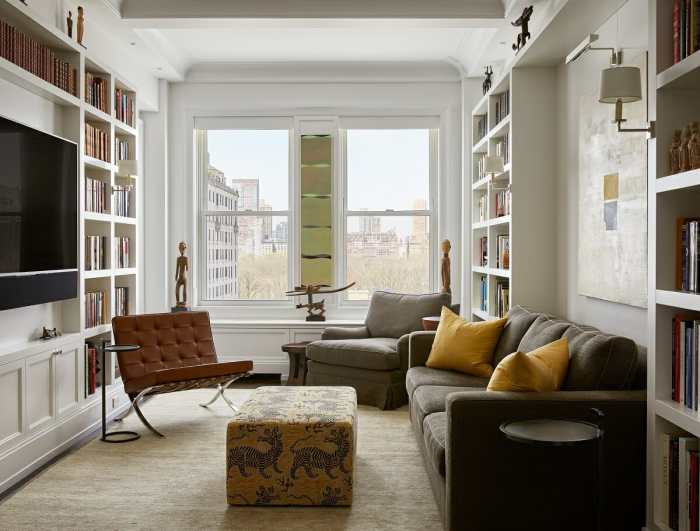
Embark on a journey through the realm of Multipurpose Functional Spaces, where creativity meets practicality in creating dynamic environments that cater to diverse needs. Explore the endless possibilities of transforming spaces with innovative design concepts and efficient utilization.
Discover how the fusion of functionality and aesthetics can elevate the way we live and work, offering a fresh perspective on designing spaces that adapt seamlessly to our ever-changing demands.
Multipurpose Functional Spaces
Multipurpose functional spaces are areas within a home or office that are designed to serve multiple functions efficiently. These spaces are versatile and can be adapted to different needs, maximizing the usability of the area.
Examples of Utilizing Multipurpose Spaces
- Living room that doubles as a guest bedroom by incorporating a sofa bed.
- Home office that can also be used as a workout area with foldable exercise equipment.
- Kitchen island that transforms into a dining table for extra seating.
Benefits of Multipurpose Functional Spaces
- Optimizes space utilization in smaller homes or offices.
- Promotes a flexible and adaptable environment to cater to changing needs.
- Reduces the need for excess furniture and clutter, creating a more streamlined and organized space.
Tips for Designing Versatile Spaces
- Choose furniture that can serve multiple functions, such as storage ottomans or nesting tables.
- Use movable partitions or screens to divide the space as needed for different activities.
- Maximize vertical space with shelves or wall-mounted storage solutions.
Functional Spaces Garden Ideas
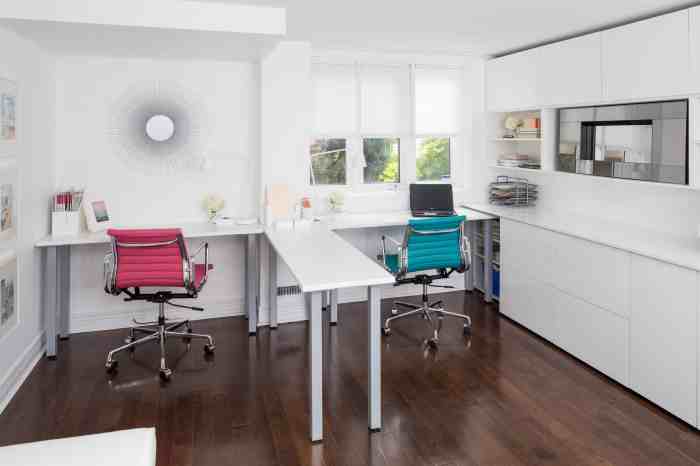
When it comes to garden design, incorporating functional spaces can enhance the overall usability and enjoyment of the outdoor area. By creating distinct zones within the garden, you can cater to different activities and purposes, making the most out of the available space.
Examples of Different Functional Areas
- Relaxation Corner: A cozy nook with comfortable seating, surrounded by lush greenery, perfect for unwinding and enjoying nature.
- Dining Space: An outdoor dining area with a table and chairs, ideal for hosting meals and gatherings with family and friends.
- Play Area: A designated space with play equipment or open grassy area for children to play and have fun.
Maximizing Space for Functional Zones
One way to maximize space in a garden is by utilizing vertical elements such as trellises, hanging planters, or wall-mounted shelves. This allows for more floor space to be dedicated to different functional areas. Additionally, using multi-functional furniture pieces like storage benches or foldable tables can help optimize space.
Integrating Practical Elements
- Storage: Incorporate storage solutions like outdoor cabinets, sheds, or hidden compartments in seating benches to keep gardening tools, toys, or cushions neatly organized.
- Seating: Choose seating options that not only provide comfort but also serve practical purposes, such as storage benches, built-in seating around fire pits, or movable chairs that can be easily rearranged for different activities.
Interior Design for Functional Spaces
When it comes to interior design for functional spaces, the key is to strike a balance between aesthetics and practicality. Functionality plays a crucial role in creating spaces that are not only visually appealing but also serve a purpose in our daily lives.
Optimizing Space in Small Areas
Optimizing space in small areas requires creative thinking and smart design choices. Here are some examples of how you can make the most out of limited space:
- Utilize vertical storage solutions such as wall-mounted shelves and cabinets to free up floor space.
- Choose furniture with built-in storage compartments, such as ottomans with hidden storage or beds with drawers underneath.
- Use multi-functional furniture pieces like sofa beds or nesting tables that can be easily tucked away when not in use.
Role of Furniture Placement
The way furniture is arranged in a room can greatly impact its functionality. Consider the following tips for optimal furniture placement:
- Create designated zones within a room for different activities, such as a reading nook or a work area.
- Arrange furniture in a way that promotes good traffic flow and allows for easy movement throughout the space.
- Use area rugs to define separate areas within an open-concept space.
Innovative Interior Design Ideas for Multipurpose Rooms
Multipurpose rooms, such as a home office/guest room combo, require thoughtful design to ensure they meet the needs of both functions. Here are some innovative interior design ideas for multipurpose rooms:
- Install a murphy bed that can be easily folded up to create more space during the day.
- Incorporate a desk that doubles as a vanity or bedside table for guests.
- Use a room divider or curtains to create privacy for guests staying overnight.
In conclusion, Multipurpose Functional Spaces redefine the way we perceive interior design, offering a harmonious blend of versatility and purpose. Embrace the potential of adaptable spaces to enhance productivity, comfort, and overall well-being, making every corner of your home or office a true reflection of innovation and functionality.
Questions and Answers
How can I make the most out of a multipurpose space?
Optimize your layout by incorporating flexible furniture, smart storage solutions, and multifunctional elements to meet various needs efficiently.
Are multipurpose functional spaces suitable for small homes?
Absolutely! Multipurpose spaces are ideal for maximizing limited square footage, offering tailored solutions that make the most of compact living areas.
What are some key benefits of integrating multipurpose spaces in office settings?
Enhanced collaboration, increased productivity, and a more dynamic work environment are just a few advantages of incorporating multipurpose functional spaces in offices.


